Verb Conjugation
Favorite Languages


More Languages


Verb Conjugation in Ancient Languages

Verb Conjugation in Minority Languages


Noun Declension
Other Language Information
Featured Language: Nenets
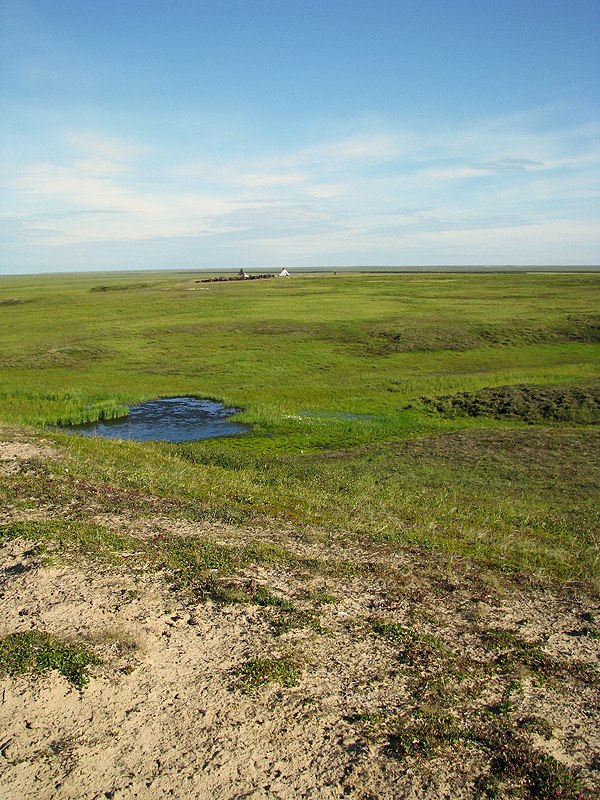
Introduction. Nenets is a language spoken by the Nenets people in northern Russia. The language of the Nenets belongs to the Samoyedic branch of the Uralic languages, comprising together with the E[...]
Read more about Nenets at docs.verbix.com.
Tagged Books & Texts
Featured Text: Sărmanul Dionis
A book by Mihai Eminescu. Romanian: ...și tot astfel, dacă închid un ochi văd mâna mea mai mică decât cu amândoi. De aș avea trei ochi aș vedea-o și mai mare, și cu cât mai mulți ochi aș avea cu atâta lucrurile toate dimprejurul meu ar părea mai mari. Cu toate astea, născut cu mii de ochi, în mijlocul unor arătări colosale, ele toate în raport cu mine, păstrându-și proporțiunea, nu mi-ar părea nici mai mari, nici mai mici de cum îmi par azi. Să ne-nchipuim lumea redusă la dimensiunile unui glonte, și toate celea din ea scăzute în analogie, locuitorii acestei lumi, presupuindu-i dotați cu organele noastre, ar pricepe toate celea absolut în felul și în proporțiunile în care le pricepem noi. Să ne-o închipuim, caeteris paribus, înmiit de mare — același lucru. Cu proporțiuni neschimbate — o lume înmiit de mare și alta înmiit de mică ar fi pentru noi tot atât de mare. Și obiectele ce le văd, privite c-un ochi, sunt mai mici; cu amândoi — mai mari; cât de mari sunt ele absolut? Cine știe dacă nu trăim într-o lume microscopică și numai făptura ochilor noștri ne face s-o vedem în mărimea în care o vedem? Cine știe dacă nu vede fiecare din oameni toate celea într-alt fel, și nu aude fiecare sunet într-alt fel — și numai limba, numirea într-un fel a unui obiect ce unul îl vede așa, altul altfel, îi unește în înțelegere. — Limba? — Nu. Poate fiecare vorbă sună diferit în urechile diferiților oameni — numai individul, același rămâind, o aude într-un fel..
Tagged Paralleltexts
Featured Text: The Wulfila Bible: Pauline Epistles
The Gothic Bible or Wulfila Bible is the Christian Bible as translated by Wulfila into the Gothic language spoken by the Eastern Germanic, or Gothic Tribes. This page contains the Pauline Epistles. Gothic: Pawlus, apaustaulus Xristaus Iesuis þairh wiljan gudis, þaim weiham þaim wisandam in Aifaison jah triggwaim in Xristau Iesu. Pawlus, apau Xristaus Iesuis þairh wiljan gudis, þaim weiham þaim wisandam in Aifaison jah triggwaim in Xristau Iesu..
  English: Paul, an apostle of Jesus Christ by the will of God, to the saints which are at Ephesus, and to the faithful in Christ Jesus:.
Verb Cognates
Cognates are words that have a common etymological origin.
Language Maps
Find language related maps here!
About Verbix
Verbix is an independent non-profit organization that aims to promote and protect linguistic diversity. This site and the Verbix for Windows software support verb conjugation in hundreds of languages, ranging from national and international languages to regional and even extinct languages.
If you find any of the services useful or want to contribute to the promotion of the linguistic diversity feel free to support us! Support Verbix
About Verb Conjugation
Verb conjugation is the creation of derived forms of a verb from its principal parts by inflection. Principal parts is sometimes the infinitive like "cantar" in Spanish, but it can also be verb theme like "skriva - skrev -skrivit" in Swedish. Read more...